

corner wood burning stove and Maintenance of a Wood Heater Stove
A wood stove provides a warm and cozy space to warm up and can provide warmth to a whole house. Some of these devices emit harmful gasses like creosote which can be dangerous for the health of your family and your property.
It is essential to maintain these stoves. Some important things to remember are: not overheating the space, not messing around with the fire, and using properly-dried firewood.
Fuel
Wood stoves can burn a variety fuels, including dry wood, as well as manufactured solid fuels, such as briquettes or fire logs. These clean burning alternative fuels are more environmentally friendly than traditional household coal and wet wood, so are more sustainable and safer to use. They still emit harmful smoke and gases, and require regular maintenance to perform at their best.
Read the instructions of the manufacturer prior to purchasing or using any kind of fuel. Make sure it is the right fuel for your stove. Unsuitable fuel can damage your stove and chimney, causing expensive repairs or voiding the warranty. Using an unapproved fuel could also be illegal, particularly in areas with smoke control. Look for the "Ready to Burn" logo. This means that the fuel is in compliance with sulphur limits and smoke emission limits and can be legally purchased for domestic use. The logo is usually placed alongside the price and details about the brand or on the packaging.
Suitable fuels should be seasoned (stored and then split for several months prior to use) or kiln-dried to reduce the amount of moisture which boosts the amount of heat produced and improves the efficiency of combustion. The type of wood selected must also be suited to your heating requirements. Softwoods like spruce and pine provide good value heat however, hardwoods like oak and beech produce greater quantities of hot embers over a longer period of time. Fruitwoods like apple and cherry are not just used to heat your home and provide a pleasant scent.
If you own an appliance that is multi-fuel, you should consider a mixed fuel stove; combining wood with smokeless briquettes can help to keep the flames going and warm your home for longer. Briquettes are a great backup option and can help keep a chimney from burning by keeping the air flowing.
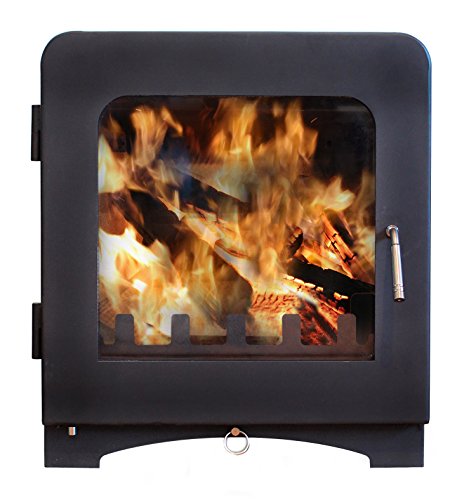
A well-maintained stove will produce more heat and burn less fuel, while also releasing less harmful particles. If you have a gas or wood stove, ensure that it is installed by a registered installer. Regularly maintained appliances are more efficient and help protect the environment and your health by preventing harmful emission.
Design
The design of wood stoves is a crucial factor to be considered when evaluating their use as a primary or secondary heating source. Unwanted byproducts from combustion, such as carbon monoxide and smoke, pose a risk to health and environmental impact. Proper operation and a well-designed design are essential to reducing these emissions.
Modern wood stoves are more environmentally green than older models. All EPA-certified stoves comply with strict emission and energy efficiency regulations that maximize the amount of heat they generate. You can verify whether a wood stove is certified by looking for a metal EPA label on the back or checking the EPA database. Visiting local hearth products retailers who know the performance capabilities of their products is a great way to learn more about wood stoves and what size and capacity may be best for your space.
Controlling the flow of air through the stove is an essential part of EPA emission regulations. The firebox of the stove is surrounded by a wall of fireproof material and air vents are positioned in the walls to provide controlled airflow. Controlling airflow is vital to ensure that the combustion process is in the best possible way and emissions are minimized.
Many modern stoves have baffles that prolong the time the fire burns and reduces the amount of smoke and harmful gases. Certain wood stoves include an catalytic converter to lower NOx emissions. This type of system is more expensive and is generally only found in top-end wood stoves.
Stoves also employ different kinds of air control systems to regulate the airflow through the stove. The majority of wood stoves still use a basic passive air supply, which requires the operator (you) to operate the stove properly in order to achieve peak performance. Some wood stoves come with active air sources that are controlled by sensors that track the combustion process and adjust the flow of air according to the needs.
One of the greatest benefits of a wood stove is that it does not require electricity to operate, which makes it an excellent alternative heating option for homes that are located in remote areas or aren't connected to an electric grid. However, if your home does not have a backup heating source to rely on during an interruption or an upcoming snowstorm, a wooden stove is not the sole option for heating your home.
The output of heat
Many wood stoves boast their maximum heat output in BTUs. This is a mistake since the actual amount of heat produced of a wood-burning fireplace is contingent on many variables including the size of the room, and how well insulated it is.
Climate can also affect the requirements for heat. Colder regions require stoves with greater BTU rating to ensure comfort.
Other variables that affect heat production include the kind of wood used and the frequency of refilling. Dry, seasoned firewood generates more heat than freshly cut and wet logs. The use of a stove fan also assists in circulate the warmth produced by the wood burner into the room, rather than having the hot air rise up.
It is essential to keep in mind that the maximum output of a wood heating stove should not be exceeded frequently because a continuous fire could damage the stove's internals, and result in carbon monoxide leakage into the home.
The performance of a stove can also be improved through regular fueling. Make sure that the log is not too big and is placed on the glowing embers, so it does not get in the way of the glass or walls of the stove. Add smaller logs more frequently instead of taking too long between additions.
High efficiency stoves are designed for greater heat output using the same amount fuel. This is accomplished by prewarming combustion air, and by incorporating other features into the design. These stoves emit less carbon monoxide, toxic gases and smoke than earlier models.
Some people choose to install a boiler stove as a part of their heating system. It uses the heat produced by the wood burning stove to heat the water in a hot water tank or central heating system, allowing the heat to be distributed throughout a home. This is a reliable and cost-effective method of heating homes. However the installation process could take quite a long time. This method requires a separate flue and the additional energy required to run back boilers will raise the operating costs of a wood stove.
Safety
Wood stoves and fireplaces are attractive and a convenient method of heating homes. However, they are not without risk. Sparks and embers could fly out of a fire and ignite carpeting or furniture, and a hot chimney can lead to fire destruction to the structure of your house. Proper use and maintenance of a wood-burning stove minimizes the risk.
Wood-burning stoves should be inspected and maintained regularly to keep them safe and in good working condition. This includes inspecting the chimney and flue at least two times each year for signs of rust or wear and cleaning them. The chimney should also be examined every season for creosote buildup. This is extremely flammable and could cause chimney fires.
When you are buying a wood-burning stove, look for one that is certified by Underwriters Laboratories (UL) or another lab recognized for testing. This will assure you that the stove is built to comply with federal safety standards and is specifically designed to allow for proper venting. Check the legs, hinges and grates to ensure they are in good shape and securely fastened to the floor of the stove.
If you decide to install a wood stove in your cabin, ensure that the floor underneath it is reinforced and non-combustible. You may also want to lay a sheet of non-combustible floor tile over the flooring you have, particularly if you live in an old mobile home that has flooring that is combustible.
Only burn wood that is dry and well-seasoned. Green and damp wood can cause excessive smoke and creosote. This flammable byproduct could build within your chimney, releasing toxic chemicals. Do not burn cardboard or trash, paper or any other combustibles, as they can create dangerous fumes, and could not even ignite.
Don't "over-fire" your wood stove, i.e. create a larger fire than your stove is capable of handling. Over-fired stoves can lead to flames leaving the combustion chamber and cause damage to the stove, chimney connector and chimney itself, and also burning other combustible material in your home. It is also essential to ensure that the fire is completely extinguished before leaving your home or going to bed. Finally, you should always have functioning carbon monoxide and smoke alarms in your home.